What to Do When Two Off-Leash Dogs Charge Your Family: A Professional Dog Trainer Breaks Down a Real Attack
By Jesse | Canine Perspective
Most dog attacks happen in seconds.
One moment you're enjoying a walk with your family. The next, two unfamiliar dogs are sprinting toward you.
Would you know what to do?
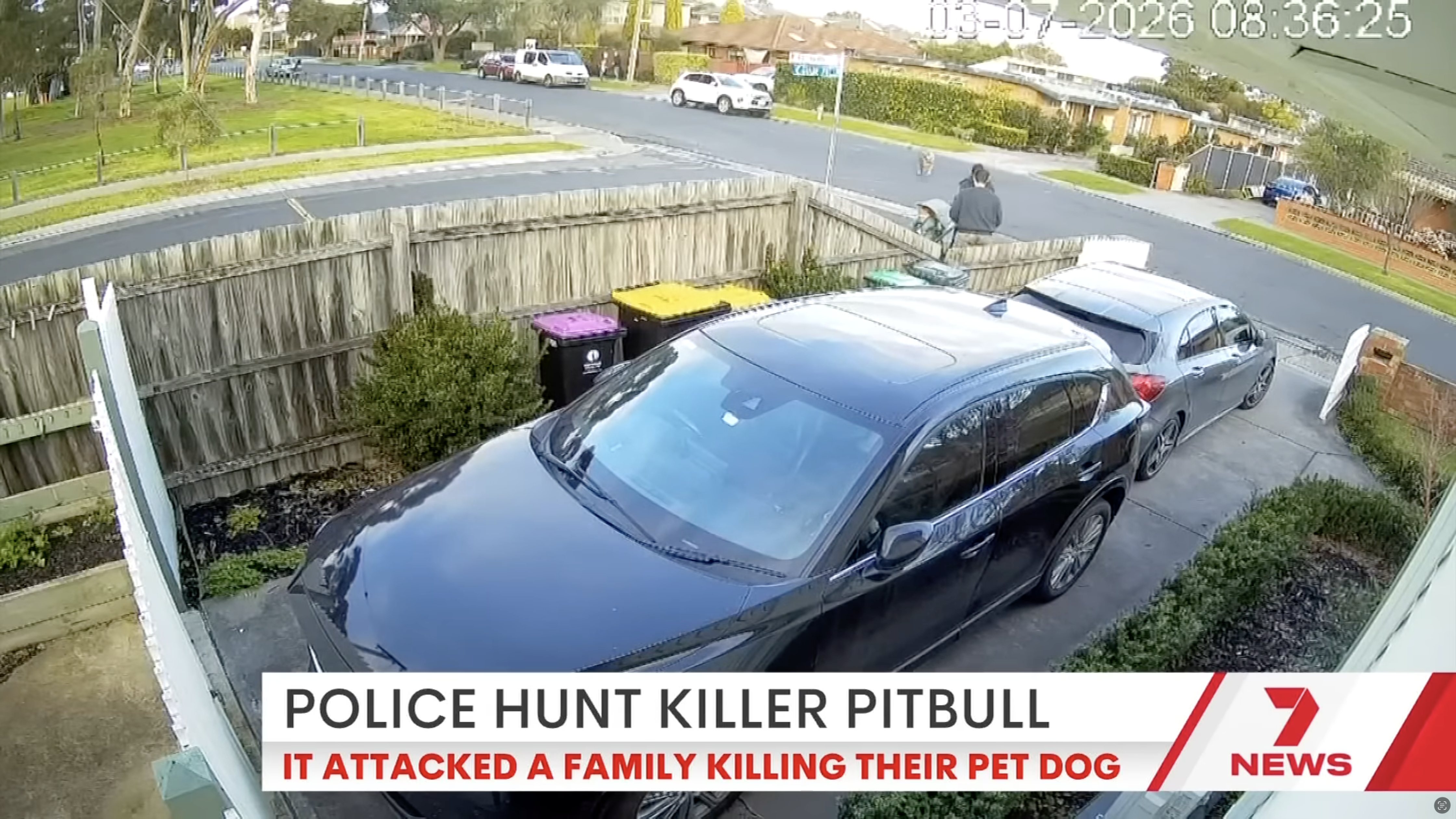
In this breakdown, we're analyzing real footage from Australia where two large off-leash dogs charged a family walking with two Yorkshire Terriers and a toddler in a stroller. While it's easy to criticize decisions after the fact, the real goal is education.
Every dog owner should have a plan before this situation ever happens.
This article explains what went wrong, what could have been done differently, and the lessons every family can learn from this frightening encounter.
▶ Watch the Full Video
Why Off-Leash Dog Attacks Are So Dangerous
Unlike most behavioral issues, off-leash attacks give victims almost no time to think.
The charging dog already has the advantage.
They've chosen the time.
They've chosen the distance.
They're already committed before you even realize what's happening.
That's why mental preparation matters.
When you already have a plan, you're far more likely to respond instead of freezing.
The family was caught completely off guard.
Instead of taking immediate control, hesitation allowed the attacking dogs to continue closing the distance.
One of the biggest lessons from this video is that waiting often makes the situation worse.
The sooner you recognize danger, the more options remain available.
Dogs often look for easy targets.
Confidence, movement, loud verbal commands, clapping, stomping, and stepping toward an approaching dog can sometimes interrupt its commitment before physical contact occurs.
Every situation is different.
Nothing works every time.
But doing nothing often gives the attacking dog complete control of the encounter.
This is one of the most controversial topics discussed in the video.
Many owners instinctively hold onto their dog.
However, in certain attacks, maintaining control of the leash may actually prevent your dog from escaping.
Every situation is unique.
Your priorities should always be:
Protect human life first.
Create opportunities for escape.
Reduce unnecessary injuries.
Avoid becoming trapped.
The correct decision depends on the dogs involved, the environment, and who is present.
If verbal intervention fails and contact becomes unavoidable, physical intervention may become necessary.
The goal isn't punishment.
The goal is survival.
The purpose of physical intervention is to interrupt the attack long enough to create an opportunity for everyone to escape safely.
Knowing when to escalate—and how quickly—can dramatically change the outcome of a dangerous encounter.
One of the biggest takeaways from this analysis is simple:
Children come before dogs.

That's an incredibly emotional statement for dog lovers.
But during an emergency, protecting your child must always remain the first priority.
Dogs can often run.
Children cannot.
Having a family emergency plan before something happens can eliminate hesitation during the most critical seconds of an attack.
When multiple dogs attack together, they rarely behave equally.
Usually, one dog initiates.
The other follows.
Recognizing which dog is driving the encounter provides valuable information when deciding how to respond.
Understanding pack dynamics is something professional trainers evaluate every day—and it often changes how situations unfold.
Always scan your surroundings.
Never assume loose dogs are friendly.
Develop a family emergency plan.
Understand canine body language.
Protect children first.
Learn how dogs think before an emergency happens.
Confidence and decisive action often influence outcomes.
Mental preparation can reduce hesitation during real emergencies.
Conclusion
No one expects to be charged by two off-leash dogs.
Unfortunately, many families don't begin thinking about what they would do until it actually happens.
Preparing mentally, understanding canine behavior, recognizing early warning signs, and developing a family emergency plan can dramatically improve your ability to respond when seconds matter.
The goal isn't to create fear.
It's to replace panic with preparation.