Why Your Reactive Dog Keeps Getting Worse: A Real Behavior Consultation That Changed Everything
A Family's Search For Answers Reveals Why Understanding The Cause Of Reactivity—Not Just Managing The Symptoms—Is The Key To Lasting Behavioral Change.
By Jesse | Canine Perspective
Introduction
Many owners of reactive dogs spend months—or even years—trying to do everything "right."
They purchase harnesses because they're told they're safer. They hire behaviorists. They try medication. They avoid every trigger possible. They shower their dog with treats and reassurance.
Yet despite all of that effort, their dog's behavior continues to worsen.
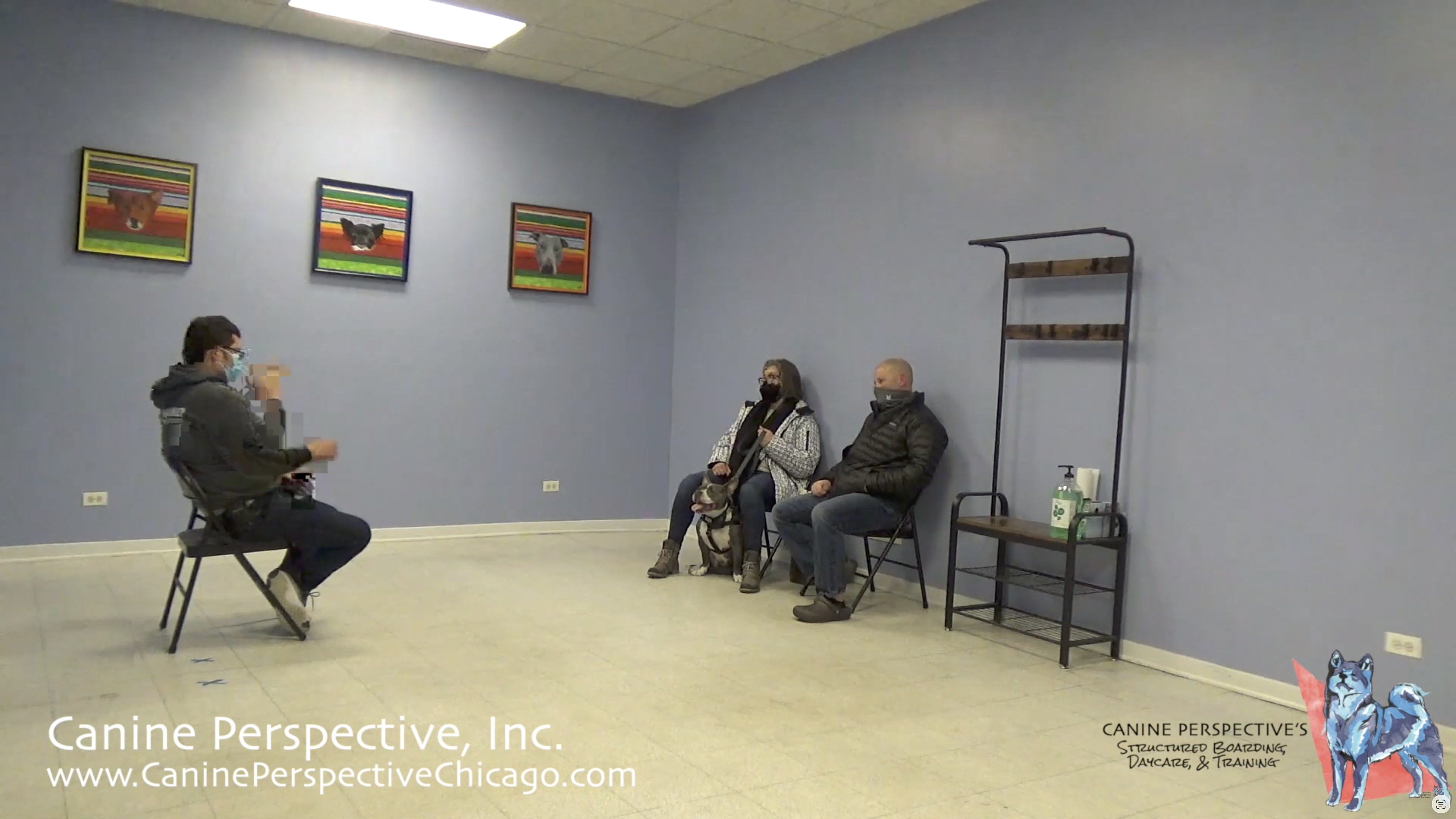
That was exactly the situation one family found themselves in during a consultation at Canine Perspective. Their rescue dog had become increasingly reactive toward strangers, difficult to board, impossible to comfortably walk in public, and left the family feeling trapped. They had already invested significant time, money, and emotion into finding answers, but nothing was producing lasting improvement.
This consultation wasn't about finding another quick fix. It was about understanding why the behavior was occurring and building a realistic path toward lasting change.
Doug's owners came to us and continue to come to us all the way from St. Charles, Illinois.
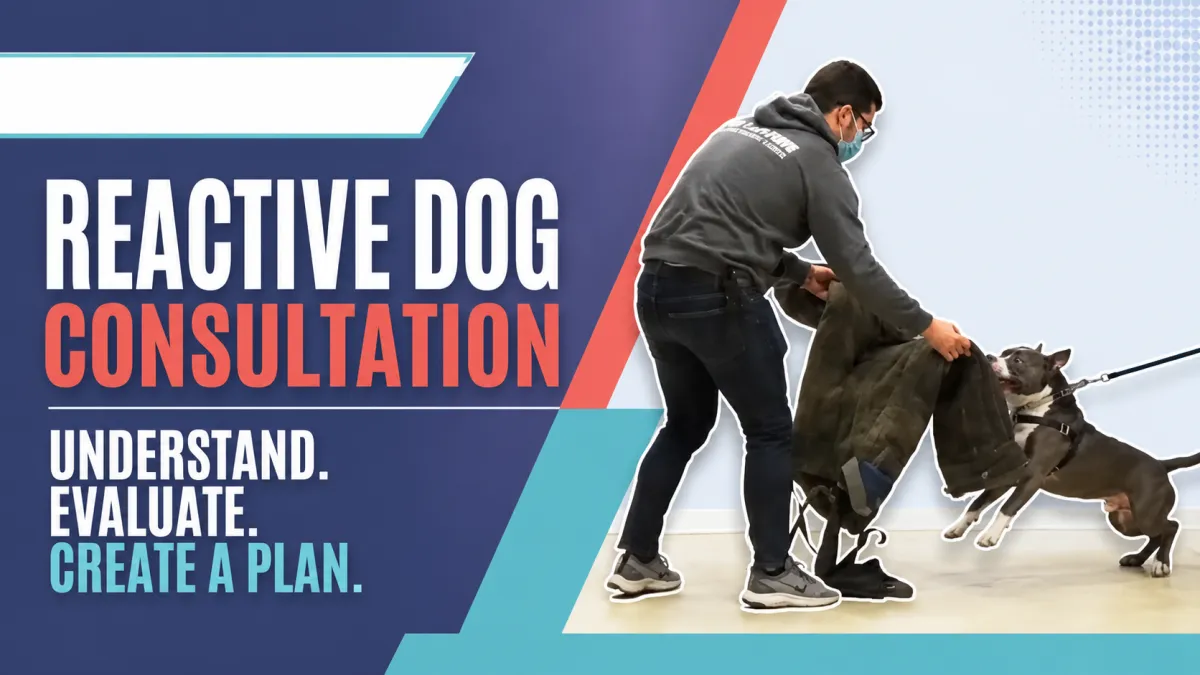
Watch Doug's Consultation
Like many owners, this family truly cared about their dog.
They worked with veterinarians.
They consulted a behaviorist.
They tried medication.
They carefully avoided situations that might upset him.
Yet they admitted something many owners quietly experience:
"I think we've actually gotten worse."
That statement is incredibly common among owners of reactive dogs.
The problem usually isn't a lack of love or effort. It's that many training plans focus on managing symptoms instead of addressing the underlying behavior. The family's previous approach revolved around protecting the dog from the world, but it left them unable to board him, travel, or confidently have guests in their home.
One of the biggest mistakes made in dog training is assuming every barking, lunging, or growling dog is truly aggressive.
During the consultation, the discussion focused on separating several emotional states that often appear similar:
Fear
Nervousness
Anxiety
Frustration
Genuine aggression
Although these behaviors may look alike, they require very different training strategies.
Understanding what motivates the behavior is far more important than simply labeling the dog as "aggressive."
One of the most eye-opening moments of the consultation involved the dog's harness.
The owners had been using it because they believed it was the safest option.
Instead, they learned that the equipment itself could be contributing to the dog's escalating emotional state.
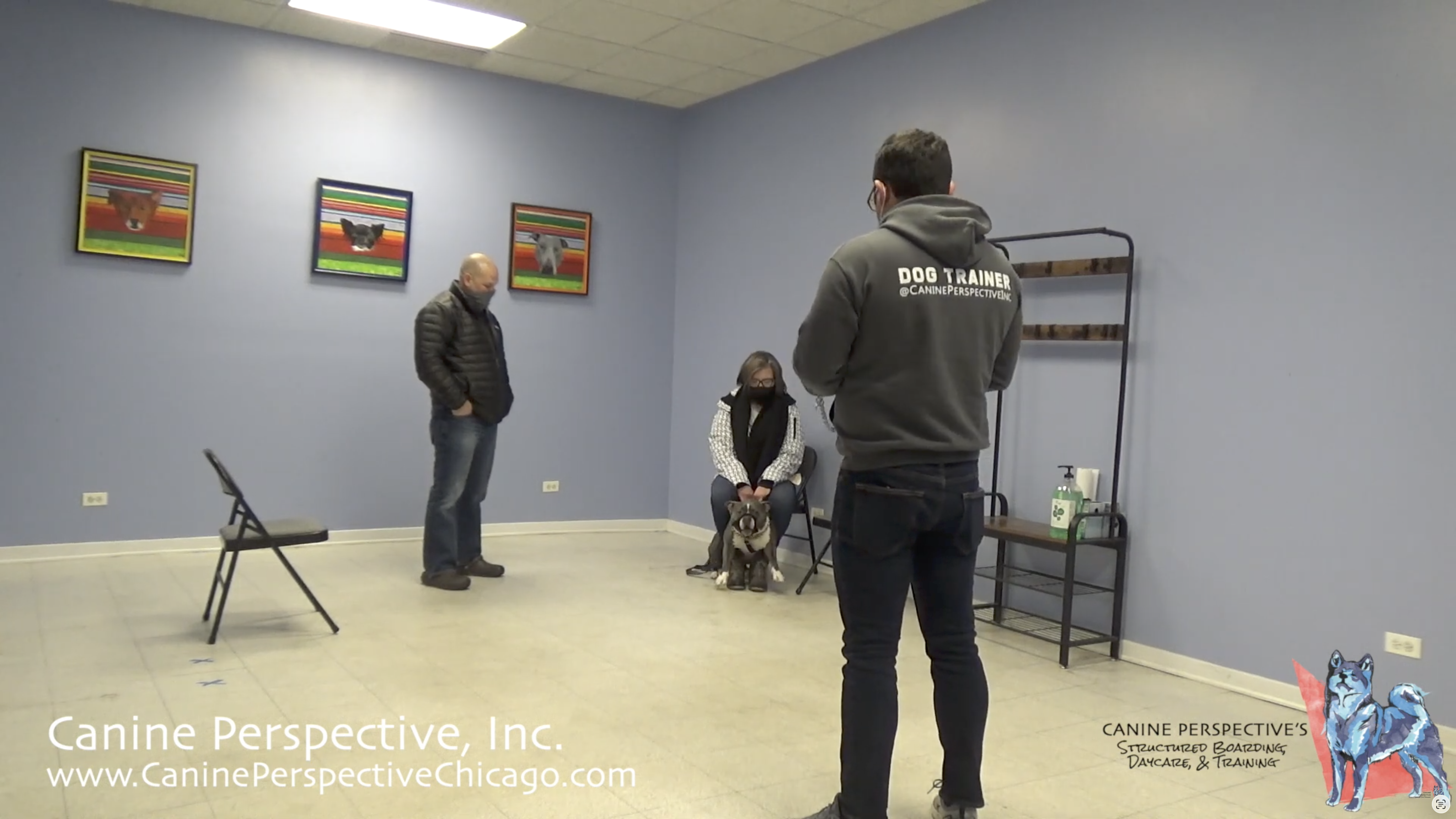
The explanation centered on how harnesses are designed to distribute pulling force across the dog's body. While that design serves an important purpose in some situations, it can unintentionally allow reactive dogs to lean into pressure, increasing frustration and arousal rather than helping them settle.
Changing equipment alone doesn't solve reactivity—but using equipment that allows for clearer communication can dramatically improve training outcomes when paired with proper instruction.
Throughout the consultation, there was an emphasis on something many owners overlook:
Dogs communicate and understand physicality.
Rather than constantly restraining movement, the goal was to create clear communication followed immediately by release when the dog made a better choice.
Pressure wasn't presented as punishment.
Instead, it was described as communication that ends the moment the dog responds appropriately.
This timing helps dogs understand exactly which behavior creates relief, making learning clearer and more consistent.
Another important lesson involved evaluating intent.
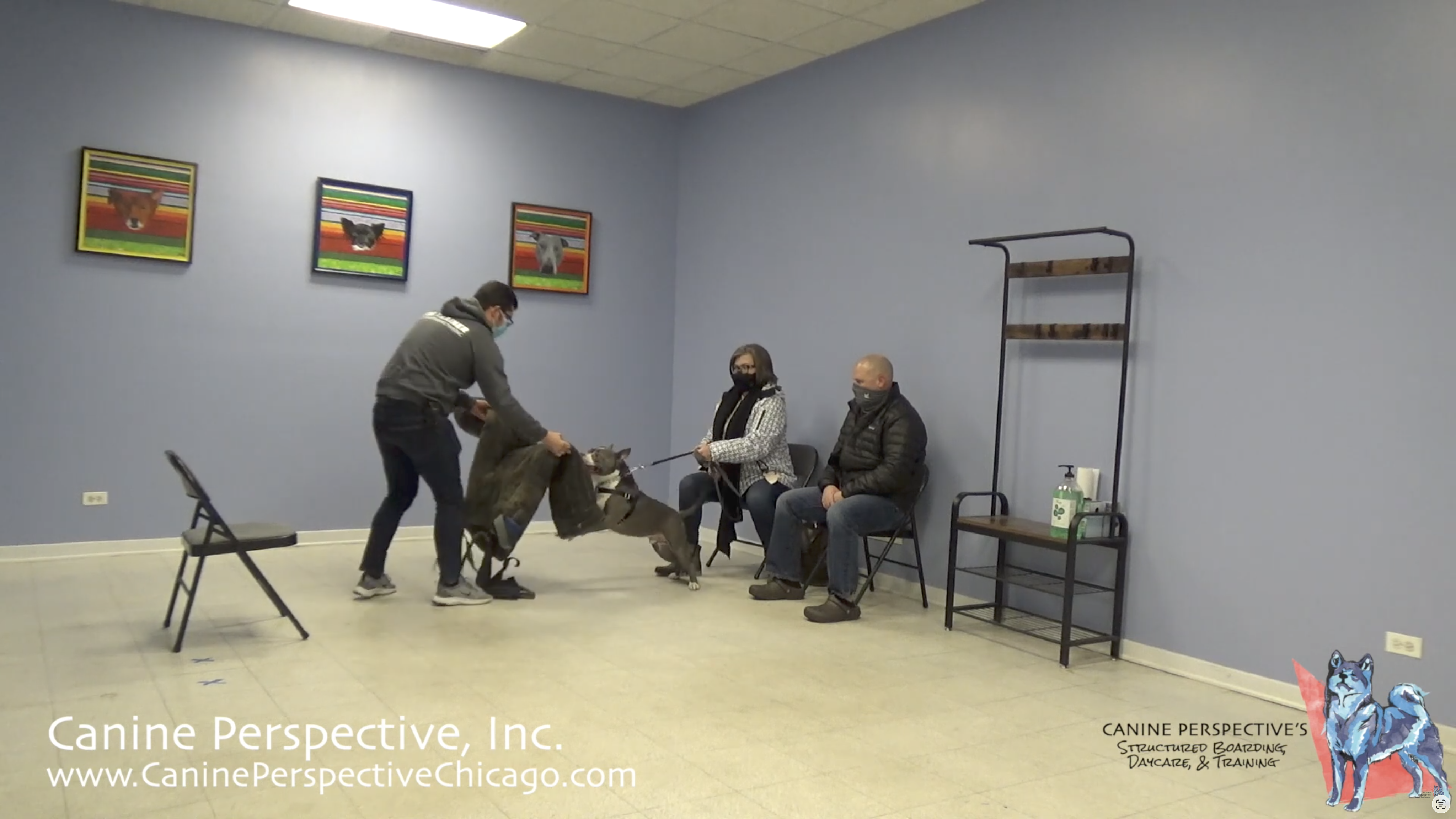
Some dogs display dramatic behaviors that appear extremely dangerous but have little intention of following through.
Others remain relatively quiet until they decide to bite.
Because appearances can be misleading, behavior evaluations often involve safely testing how a dog responds when appropriate pressure is applied. Only then can an effective training plan be built around the dog's actual behavior instead of assumptions.
One recurring theme throughout the consultation was structure.
Structure isn't about dominance.
It isn't about intimidation.
It's about creating predictability.
For reactive dogs, predictable expectations often reduce uncertainty, and reduced uncertainty frequently leads to improved confidence.
The first obedience exercise recommended wasn't chosen simply to teach obedience—it was selected because consistent structure often improves many everyday behavioral problems beyond the exercise itself.
The owners discussed several medications their dog had previously been prescribed.
Some appeared to reduce general anxiety.
Others didn't provide meaningful improvement.
Rather than dismissing medication entirely, the consultation focused on an important distinction:
Medication may help lower emotional intensity, but it doesn't automatically teach new behaviors, improve communication, or establish consistent expectations.
For many dogs, behavioral rehabilitation still requires active training alongside any medical treatment recommended by their veterinarian.
Many owners believe socialization simply means exposing dogs to more people or environments.
The consultation presented a different perspective.
True socialization is built on controlled, repeatable experiences where the dog learns appropriate responses while remaining under guidance.
Simply placing a fearful or reactive dog into overwhelming situations often creates more stress instead of confidence.
Successful socialization occurs through gradual exposure, repetition, and consistency over time.
The family's goals weren't unrealistic.
They didn't expect their dog to love every stranger.
Instead, they wanted practical improvements:
Walk without constant anxiety.
Have friends visit their home.
Board their dog when traveling.
Feel confident around neighborhood distractions.
Give their dog a calmer, less stressful life.
Those goals resonate with many owners facing similar challenges.
Successful behavior modification isn't about creating a perfect dog—it's about creating a dog that can safely and confidently navigate everyday life.
No consultation can completely transform behavior in a single day.
Instead, the consultation emphasized repetition.
Practice.
Clear communication.
Appropriate expectations.
Behavior change happens through hundreds of successful repetitions over time—not through one dramatic training session.
Owners who commit to consistency often see improvements that become lasting habits rather than temporary fixes.
Reactive dogs can leave families feeling overwhelmed, isolated, and unsure where to turn next.
This consultation demonstrates an important lesson:
Improvement doesn't begin with finding another miracle technique.
It begins by correctly understanding why the dog behaves the way it does.
Once behavior is accurately evaluated, owners can begin replacing frustration with communication, uncertainty with structure, and fear with confidence.
Every reactive dog is different, but the principles of clear communication, consistency, and realistic expectations provide the foundation for meaningful, long-term progress.