How to Stop a Dog Fight Safely: What Every Dog Owner Should Know
The Biggest Mistake People Make During a Dog Attack—and What to Do Instead
By Jesse | Canine Perspective
Introduction
A dog fight is one of the most terrifying situations a dog owner can experience.
Unfortunately, panic often causes people to make the situation much worse.
After more than 15 years as a professional dog trainer, one of the most common questions I receive is:
"What should I do if my dog gets attacked by another dog?"
The answer isn't as simple as "pull them apart."
In fact, pulling dogs apart is often the worst thing you can do.
In this article, we'll explain how to assess a dog fight, why redirected aggression happens, common mistakes owners make, and how professional trainers approach safely disengaging an attacking dog.
YouTube Video
When owners witness their dog being attacked, the natural instinct is to immediately jump into the fight.
Unfortunately, reacting emotionally instead of strategically often increases the risk of injury to both people and dogs.
The first priority is to quickly assess the situation and identify whether there is a safe opportunity to gain control of the attacking dog.
This dog owner was left with a broken wrist, exposed bone, and several gashes on her arms after jumping into a dog fight between her dog and a foster dog.
During an active fight, neither dog is thinking rationally.
Both dogs are operating in survival mode.
This means that even your own dog may accidentally bite you if you reach into the fight. This is known as redirected aggression—a defensive response that occurs because the dog reacts to the nearest object while overwhelmed by stress.
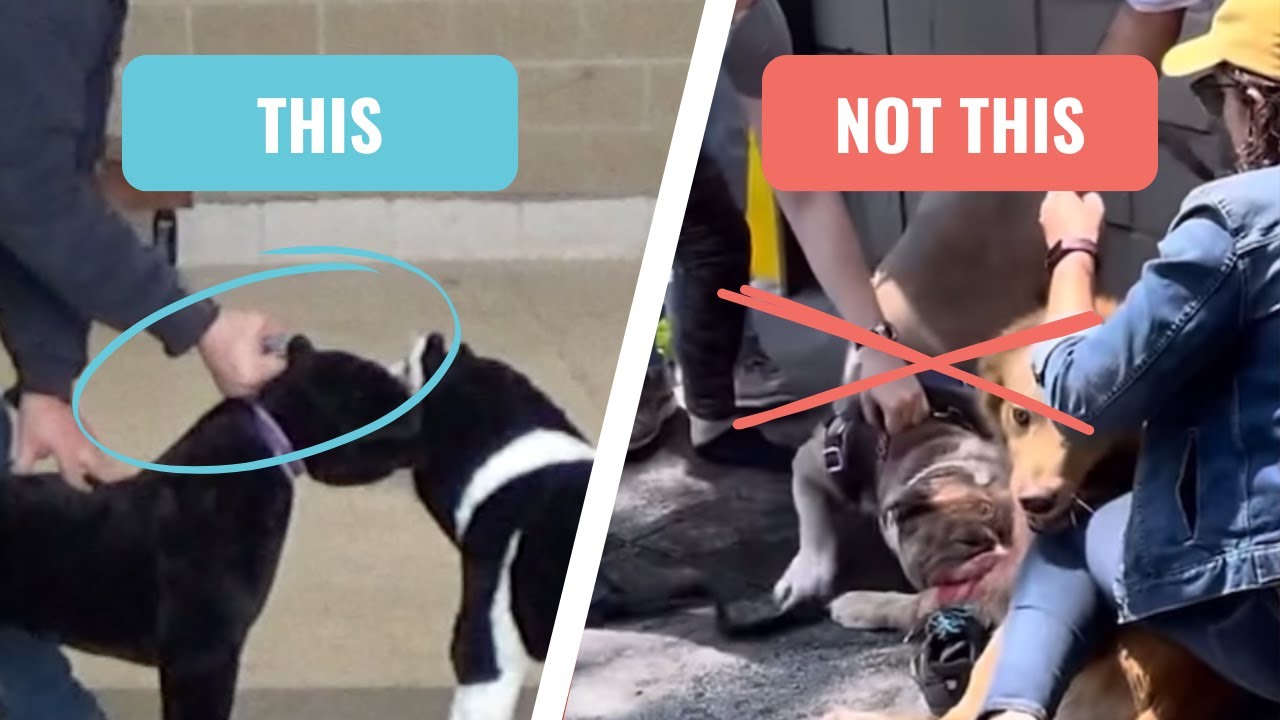
One of the biggest mistakes people make is grabbing the attacking dog and pulling backward.
This creates more resistance, causing the attacking dog to clamp down harder and potentially re-bite after releasing.
Pulling also tears skin and muscle tissue, significantly increasing injuries to the victim dog.
If the attacking dog is wearing a flat collar, it provides an opportunity to safely gain control.
Rather than pulling backward, I demonstrate by twisting the collar high on the neck to constrict the airway just enough to encourage the dog to release its grip.
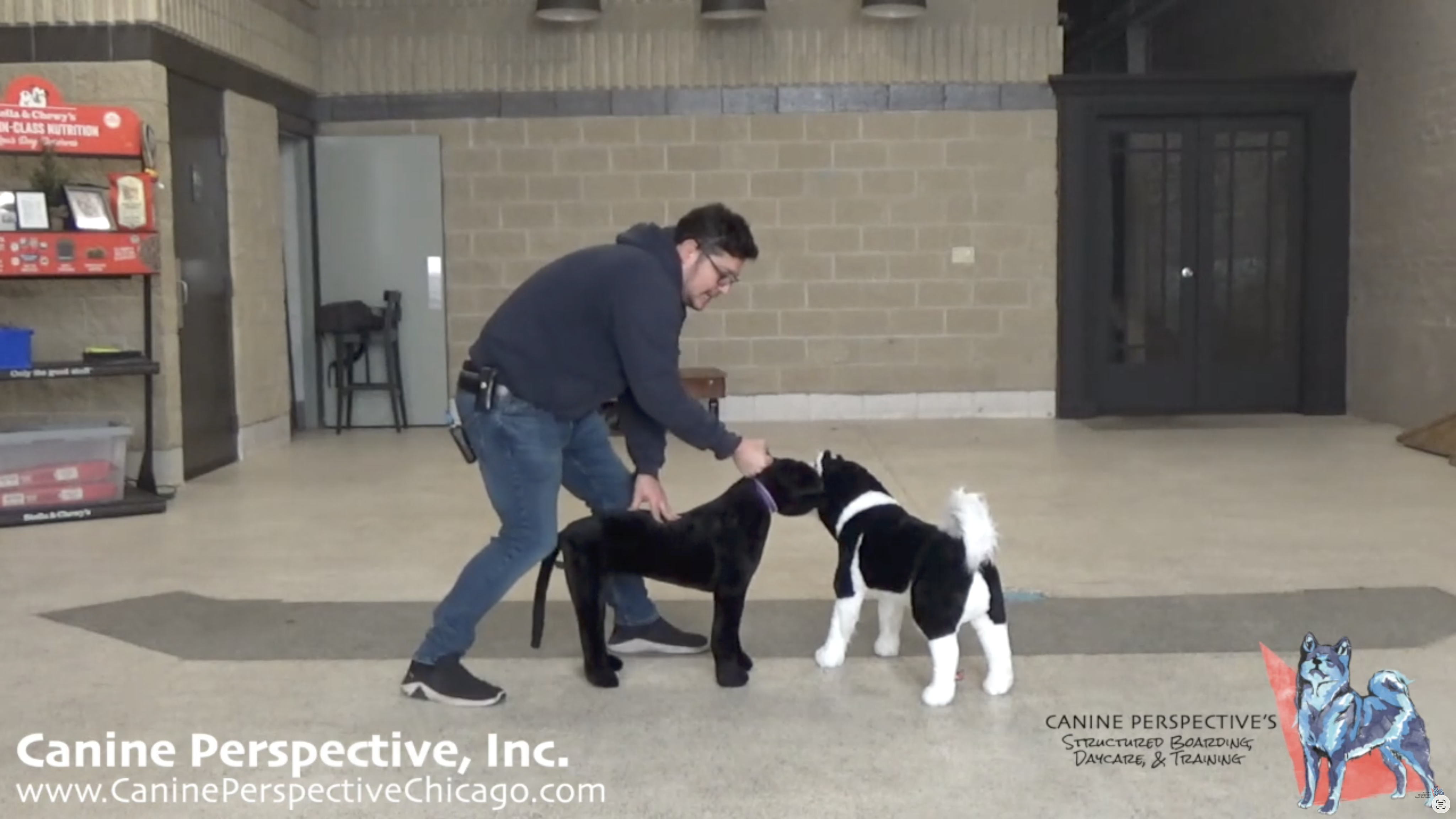
The goal isn't punishment.
The goal is creating an interruption that shifts the attacking dog's focus from biting to breathing, allowing the victim dog to escape.
Many people assume the danger is over once the bite is released.
Not necessarily.
A frightened dog may immediately redirect toward the closest person.
Maintaining control of the attacking dog's head while allowing it to breathe reduces the likelihood of another attack or redirected bite.
Harnesses are designed for comfort and control during walks—not emergency situations.
Trying to pull an attacking dog by its harness often increases frustration without providing meaningful control over the dog's head or mouth.
Controlling the head—not the body—is what prevents additional bites.
While no strategy guarantees you'll never encounter an aggressive dog, preparation dramatically improves your chances of avoiding a serious incident.
Some of the best preventative habits include:
Learning canine body language
Watching approaching dogs before they reach you
Creating distance early
Carrying appropriate safety tools
Remaining calm under pressure
Most dog fights can be avoided long before physical contact occurs if owners recognize warning signs early.
Conclusion
No one wants to imagine their dog being attacked.
However, knowing what to do before an emergency happens can make all the difference.
Remaining calm, avoiding common mistakes, and recognizing safe opportunities to intervene can reduce injuries and improve the outcome for everyone involved.
Dog fights are chaotic—but preparation helps you respond with confidence instead of panic.