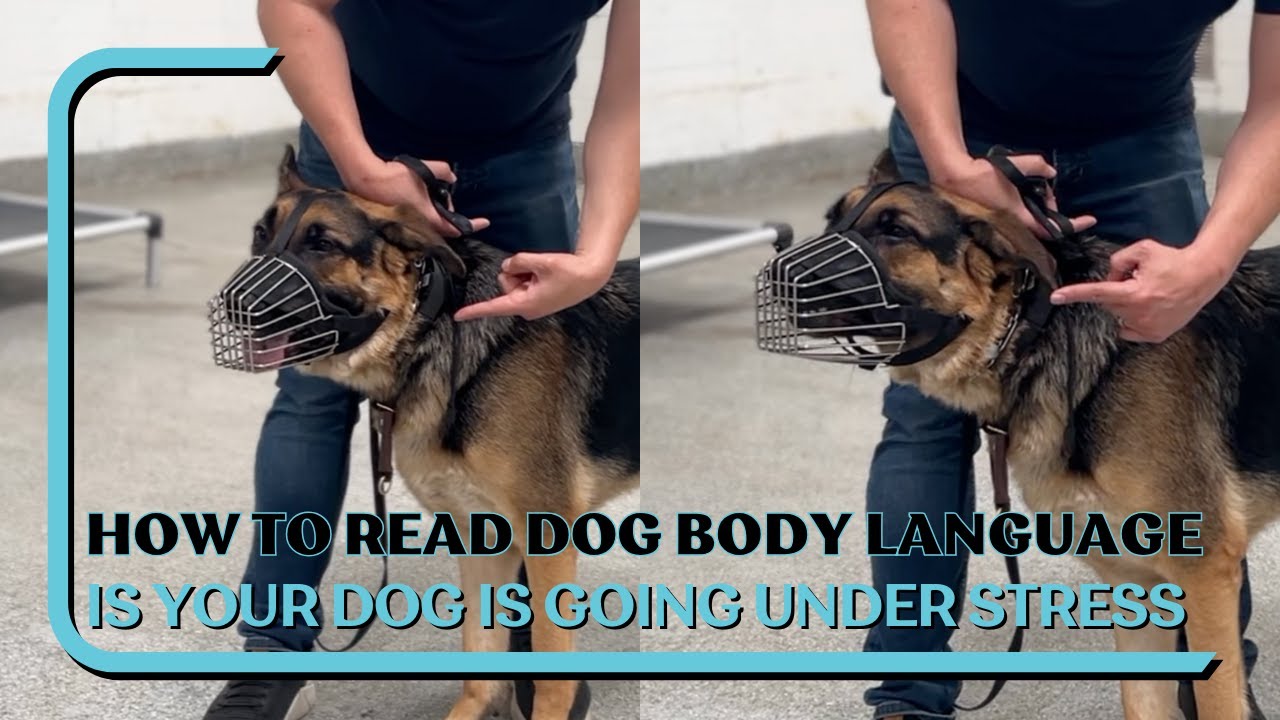
How to Read Your Dog's Body Language Before They React
How to Read Your Dog's Body Language Before They React
By Jesse | Canine Perspective
Most dog owners wait until their dog is barking, lunging, growling, or snapping before they realize there's a problem.
The truth is, dogs almost always tell us how they're feeling before they react. The challenge is that most people simply don't recognize the early warning signs.
Recently, I was working with a boarding and training dog named Kodiak. His owner warned me that he guards her and can become uncomfortable when someone enters his personal space. Before I adjusted his equipment, I paid close attention to his body language and positioned myself in a way that kept both of us safe.
That interaction is a great example of why understanding canine body language can help you predict behavior instead of simply reacting to it.
One of the biggest mistakes people make is assuming aggression comes out of nowhere.
In reality, dogs give several subtle signals before they ever growl or bite.
When I approached Kodiak to adjust his collar, the first thing I noticed was his mouth.
His mouth was open and he was lightly panting.
For him, that indicated he was relaxed.
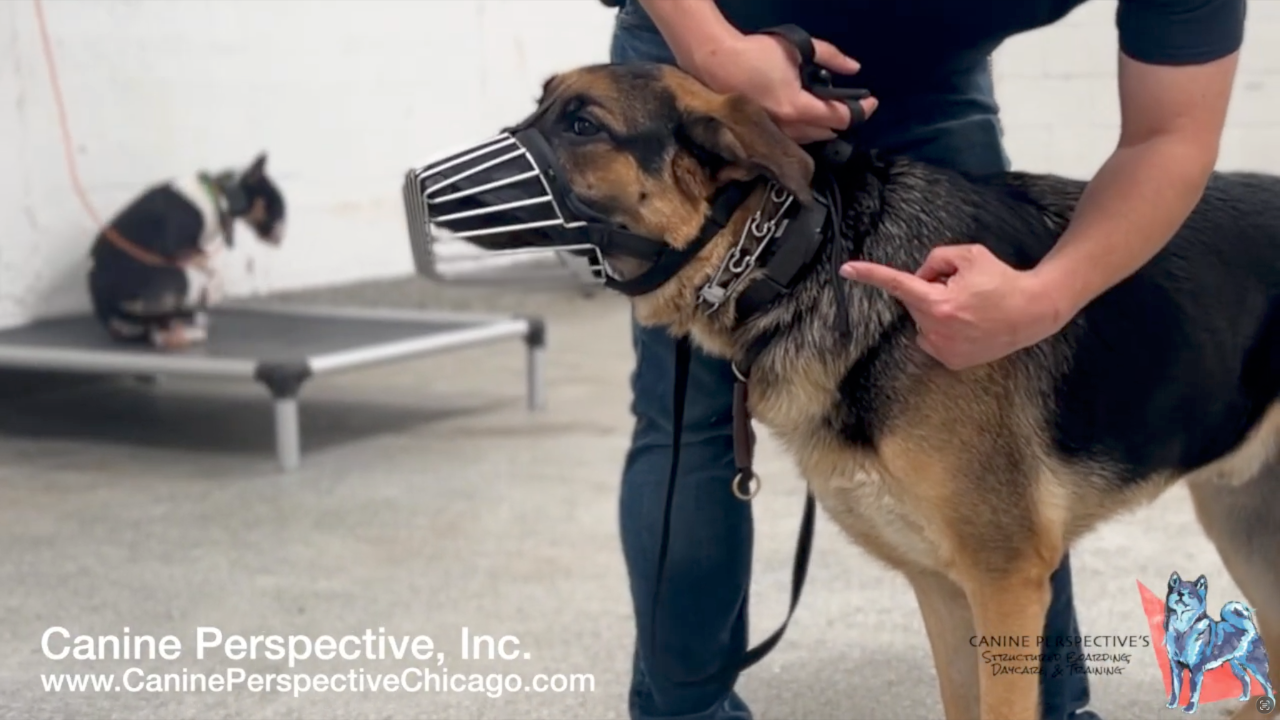
If something I did started making him uncomfortable, I expected to see that mouth close.
That's exactly what happened.
As my hand entered an area he wasn't comfortable with, his mouth closed, his body became tense, and eventually he gave a quiet growl.
Those changes didn't automatically mean he was going to bite.
They simply told me that what I was doing was creating stress.
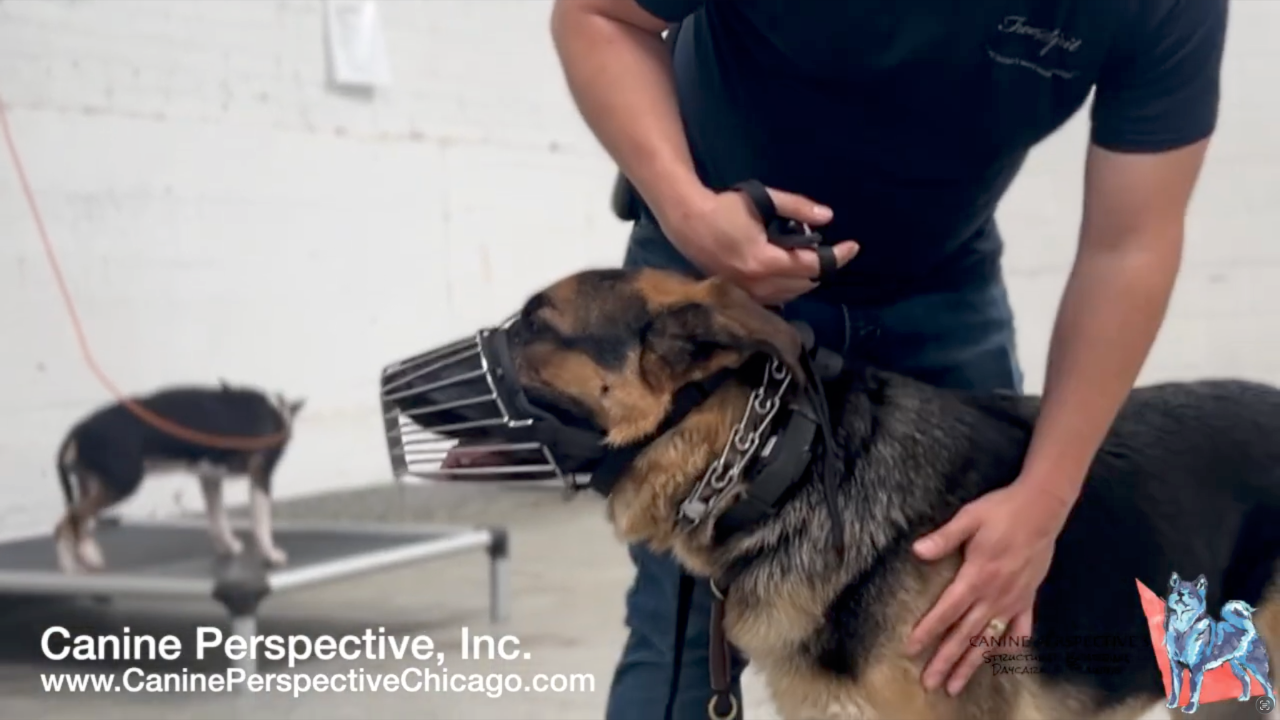
Many owners never notice when their dog's mouth changes from open to closed.
It's one of the easiest body language cues to recognize.
Open mouth:
Relaxed
Comfortable
Calm
Closed mouth:
Increased focus
Growing tension
Rising stress
Again, a closed mouth doesn't automatically mean aggression.
It simply tells you your dog is paying much closer attention to something in the environment.
That information allows you to make better decisions before your dog reaches the point of reacting.
Another body language signal people frequently misunderstand is lip licking.
Dogs often lick their lips when they're experiencing stress.
You may notice it:
During grooming
At the veterinarian
Around unfamiliar people
Near other dogs
During training
When someone invades their personal space
Lip licking is simply your dog communicating:
"I'm uncomfortable with what's happening right now."
Ignoring that signal often causes owners to miss the opportunity to help their dog before the situation becomes more difficult.
Reading body language is only part of the equation.
How you position yourself matters too.
When I adjusted Kodiak's collar, I intentionally:
Shortened the leash for better control
Kept my face farther away from his head
Positioned my body to the side instead of directly in front of him
Maintained control of his head without applying unnecessary pressure
These are simple habits I've developed over years of working with dogs that have the potential to become defensive.
Good positioning doesn't eliminate risk.
It simply reduces it.
One of the most important lessons from this interaction was what happened next.
Kodiak initially became tense.
He closed his mouth.
He growled.
But after repeating the exercise calmly, he began relaxing while I was still touching the area that originally bothered him.
That told me he was becoming more comfortable with me.
If I had immediately assumed every growl meant aggression, I would have missed the bigger picture.
Body language isn't about labeling dogs as aggressive.
It's about understanding how they're feeling in the moment.
The same concept applies when walking a reactive dog.
Imagine your dog is walking calmly.
Their mouth is open.
They're relaxed.
Another dog appears 20 feet away.
Suddenly your dog's mouth closes.
Now you know something important.
Your dog has noticed the other dog and is beginning to experience stress.
That doesn't necessarily mean they're going to react.
But it tells you you're approaching their threshold.
If you wait until they're barking and lunging five feet away, you've missed several earlier opportunities to intervene.
Learning to recognize these subtle changes allows you to become proactive instead of reactive.
Many owners spend all of their attention looking for unwanted behaviors.
Instead, start looking for changes.
Notice when your dog's:
Mouth closes
Lip licking begins
Body stiffens
Breathing changes
Eyes become more focused
Movement slows
These small details often tell you exactly how your dog is feeling long before they make a larger decision.
The better you become at reading body language, the earlier you'll recognize stress and the easier it becomes to help your dog make better choices.
Dogs communicate through body language long before they react.
An open mouth often indicates relaxation, while a closed mouth can signal increasing tension.
Lip licking is commonly a sign of stress—not hunger.
Understanding your dog's threshold helps prevent reactive behavior.
Safe handling depends on both reading body language and proper positioning.
Becoming proactive is far more effective than reacting after your dog has already escalated.
Does a closed mouth always mean a dog is aggressive?
No. A closed mouth usually indicates increased focus or stress. It should be evaluated along with the dog's overall body language.
Why do dogs lick their lips when they're nervous?
Lip licking is a common calming signal that often indicates discomfort or stress.
What is a dog's threshold?
A threshold is the point where something in the environment begins affecting your dog's emotional state. Recognizing it early allows you to intervene before your dog reacts.
Can learning body language reduce reactivity?
Absolutely. Recognizing stress signals early helps owners make better decisions and prevents many reactive situations from escalating.
If your dog struggles with reactivity, fear, aggression, or handling sensitivity, understanding body language is one of the first steps toward lasting improvement. At Canine Perspective, we help owners recognize these subtle signals and develop practical training plans that build confidence, improve communication, and create safer interactions.
Whether you're looking for professional behavior modification, structured boarding and daycare, or additional educational resources, we're here to help.
Choose the option that's right for you: