Dog Attack at the Front Door: What One Father Did That Helped Save His Son
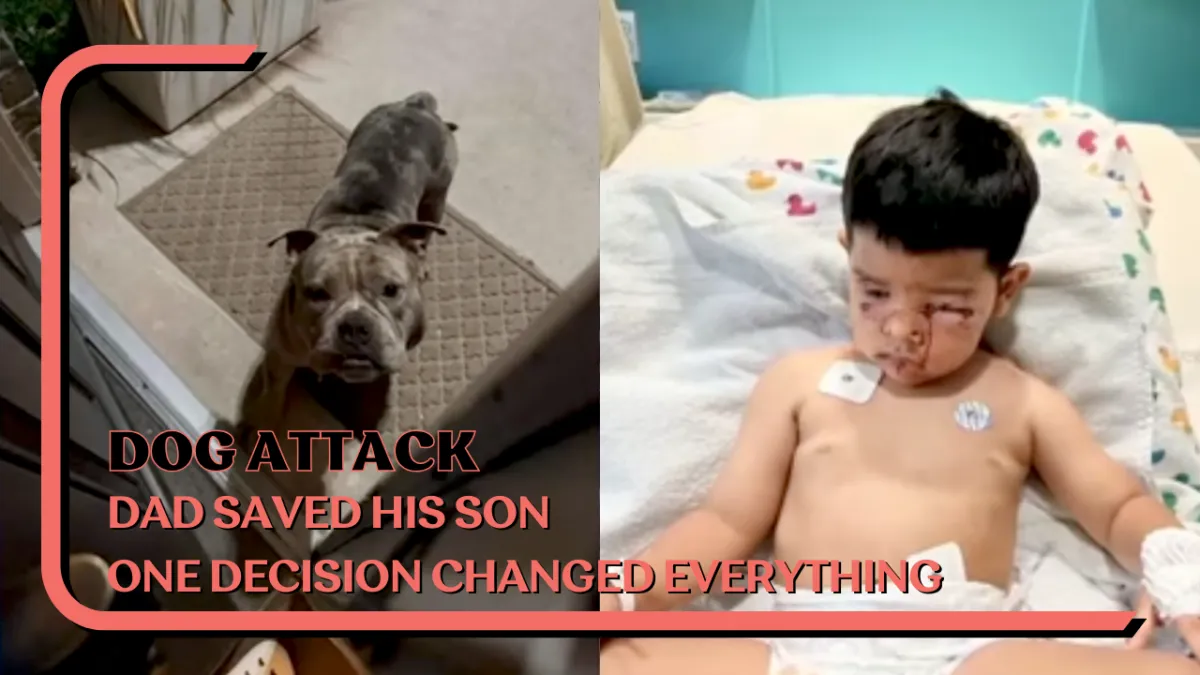
While the incident resulted in serious injuries, one decision made by the child's father likely prevented an even worse outcome.
As a professional dog trainer specializing in aggressive dog behavior, I wanted to break down this incident to explain what happened, what we can learn from it, and how understanding canine behavior can help protect your family.
Watch Jesse's Reaction
The Incident
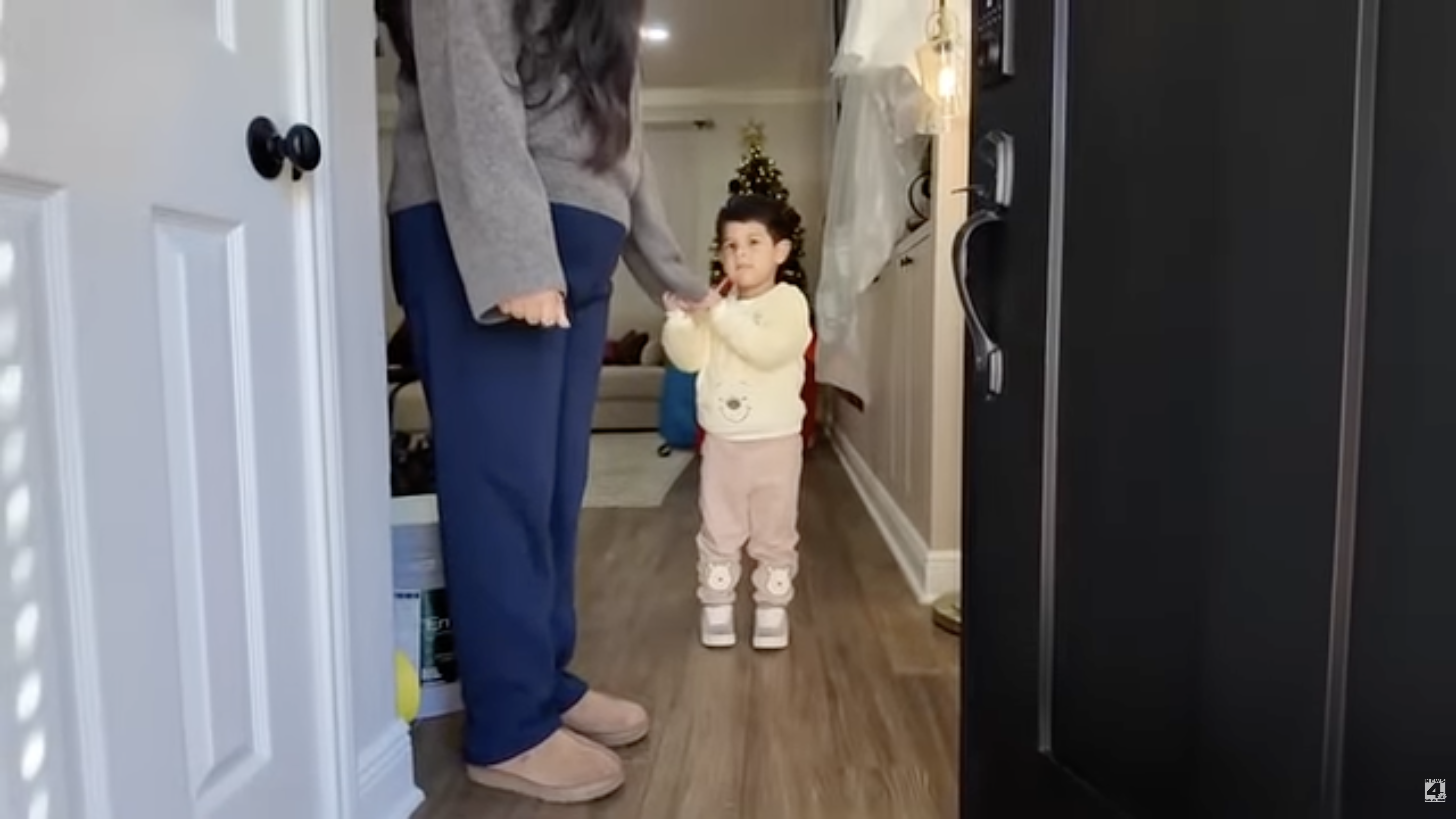
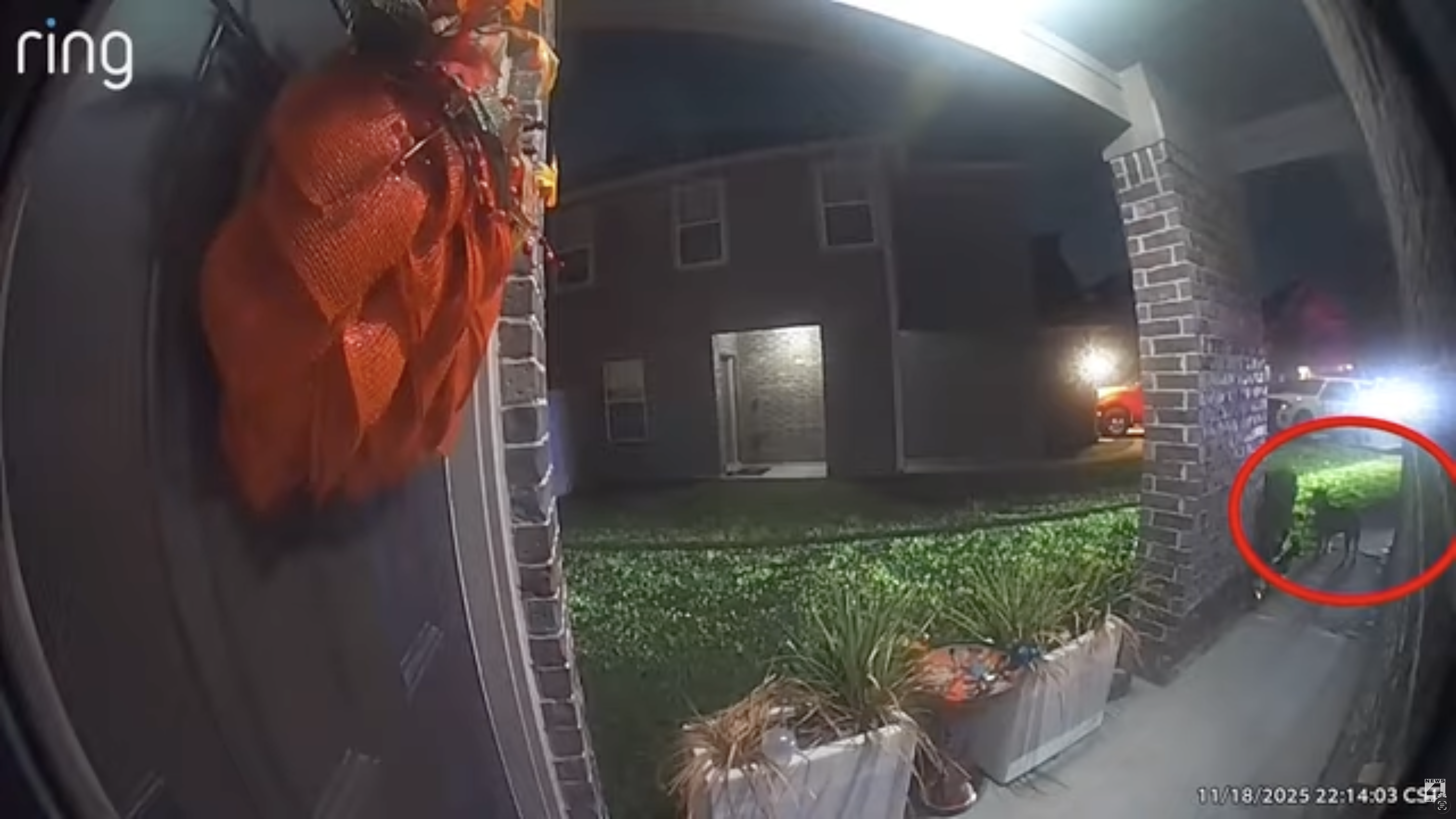
According to the news report, a loose dog wandered onto the family's property and remained at their front door. When the homeowner opened the door to check, the dog rushed inside at the same time their young son ran to the entrance.
Within seconds, the dog attacked the child.
The father immediately reacted, grabbing the dog and applying a choke hold until it released his son before removing the dog from the home.
Although the child suffered serious facial injuries, including broken bones and the loss of teeth, the father's quick thinking likely prevented much more severe injuries.
The First Mistake Was Opening the Door
It's easy to say what should have happened after watching the footage.
In reality, most people would have reacted exactly the same way.
When we hear something outside, our natural instinct is to open the door and see what's going on.
However, this incident highlights an important safety lesson:
If you see an unfamiliar dog at your front door, never swing the door fully open.
Instead:
Crack the door open first.
Brace the door with your foot.
Look carefully before opening further.
Never allow an unknown dog direct access into your home.
Keep children away from the doorway until you know the situation is safe.
These small actions can prevent a dog from forcing its way inside. Also, you don't HAVE to open the door. Feel free to let the dog get bored and move on. Don't forget to check outside your property when leaving later on to ensure the dog has left and isn't hanging around.
Reading the Situation
One detail that stood out during this incident was how quickly the dog focused on the child.
Dogs operating in a highly aroused or predatory state often ignore distractions and remain focused on a specific target.
The mother instinctively attempted to place herself between the dog and her son.
That quick reaction deserves recognition, but it wasn't enough.
Unfortunately, the dog remained focused on the child.
Why the Father's Response Was Effective
Many people panic during a dog attack.
Common reactions include:
Punching the dog
Pulling on the victim
Kicking randomly
Yelling
While understandable, these actions often fail to stop the bite quickly and may increase the amount of damage being done.
The father instead controlled the dog's neck and restricted its ability to continue biting.
By controlling the head, he limited the dog's ability to shake, which is one of the primary ways serious tissue damage occurs during an attack.
The goal during an active bite is to stop the attack as quickly as possible while minimizing additional injury.

Dog Bite Prevention Starts Before the Attack
The best dog attack is the one that never happens.
Some simple habits can dramatically reduce your risk:
Always look through windows or peepholes before opening your door.
Teach children never to rush toward an open doorway.
Be cautious around unfamiliar loose dogs.
Learn to recognize canine body language.
Keep barriers between yourself and unknown dogs whenever possible.
Preparation is often more valuable than reaction.
Every Dog Attack Is Different
One of the biggest misconceptions is that every aggressive dog behaves the same way.
That's simply not true.
Different dogs attack for different reasons, including:
Fear
Territorial behavior
Resource guarding
Defensive aggression
Predatory behavior
Understanding the motivation behind the behavior helps determine the safest response.
Watch the News Story
Education Saves Lives
Dog attacks happen quickly.
The difference between panic and preparation can be measured in seconds.
By learning canine body language, recognizing dangerous situations, and understanding how aggressive dogs behave, families can significantly reduce the chances of serious injury.
Knowledge isn't about living in fear of dogs.
It's about making informed decisions that protect both people and animals.
Learn More About Dog Behavior
At Canine Perspective, we specialize in aggression rehabilitation, behavior modification, reactive dog training, puppy training, and dog bite prevention education.
Our mission is to help owners better understand their dogs while creating safer relationships between people and animals.
Whether you're dealing with a reactive dog or simply want to learn how to prevent dangerous situations, education is always your strongest tool.
If you found this article helpful, watch our full video analysis on YouTube and subscribe for more expert dog behavior breakdowns, real-world case studies, and practical training advice.
You can find more of Jesse's dog attack videos by clicking HERE.
At Canine Perspective, we believe that understanding canine behavior is the foundation of safety, trust, and lasting results. Whether you're raising a puppy, working through reactivity, or preventing dangerous situations, education is your greatest tool.
Understand the dog. Change the outcome.
Jesse