How Controlled Dog Socialization Helps Reactive Dogs Build Confidence
Why Professional Trainers Slowly Increase Social Pressure Instead of Avoiding It
By Jesse | Canine Perspective
Introduction
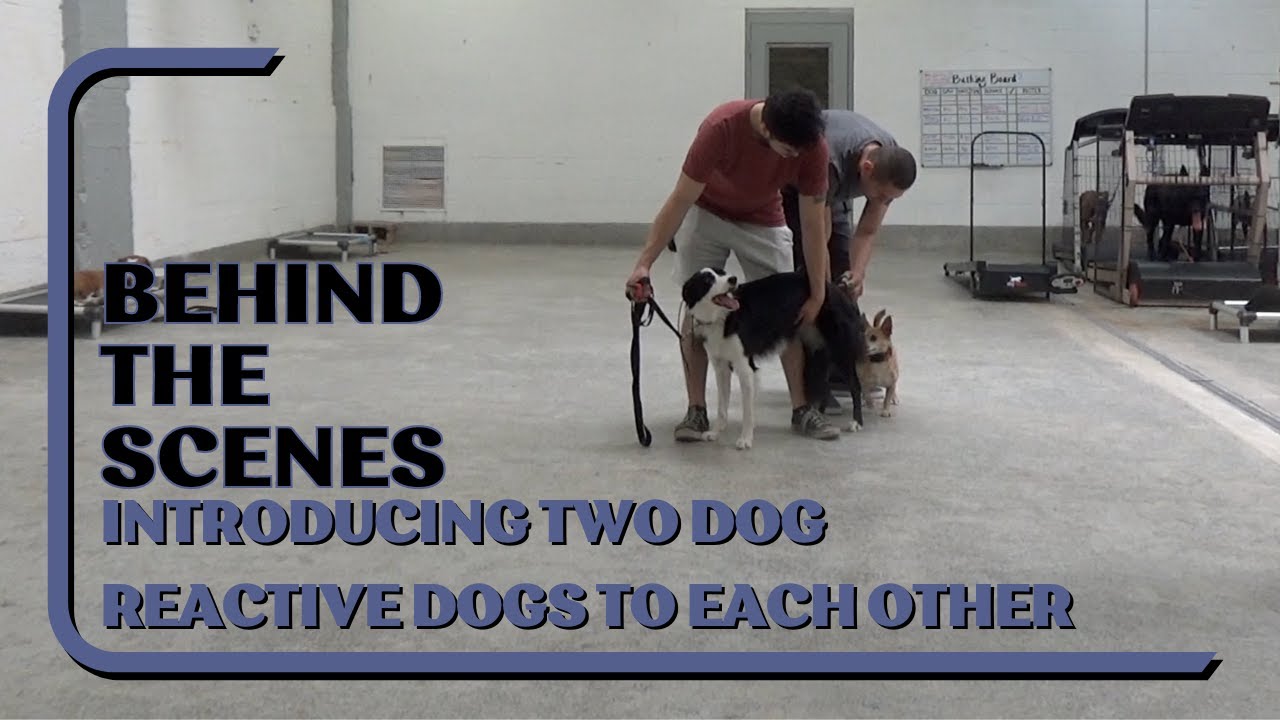
One of the biggest misconceptions in dog training is that socializing a reactive dog simply means exposing them to more dogs. Both of the dogs in this video are reactive and in one case, human reactive. Portia is a Border Collie that came to us for a Board & Train from the Logan Square neighborhood and Mimi is a Corgi-Chihuahua mix that did private 1-on-1 lessons with Jesse.
In reality, successful socialization isn't about forcing interaction—it's about carefully controlling pressure, reading body language, and allowing the dog to work through discomfort without becoming reactive.
In this training session, we worked with two reactive dogs, Porsche and Mimi, using structured exercises that gradually increased social pressure while carefully monitoring each dog's comfort level. The goal wasn't to make them become best friends—it was to teach them that being around other dogs doesn't always require an emotional response.
Watch the Training Session
Many owners think socialization means letting dogs freely interact.
In this exercise, both dogs were placed in carefully managed positions while trainers controlled movement, distance, leash handling, and body positioning. This allowed us to expose each dog to manageable amounts of social pressure instead of overwhelming them.
The objective wasn't to create play—it was to build emotional stability.
Reactive dogs often have a "comfort zone."
As another dog gets closer, stress begins to increase.
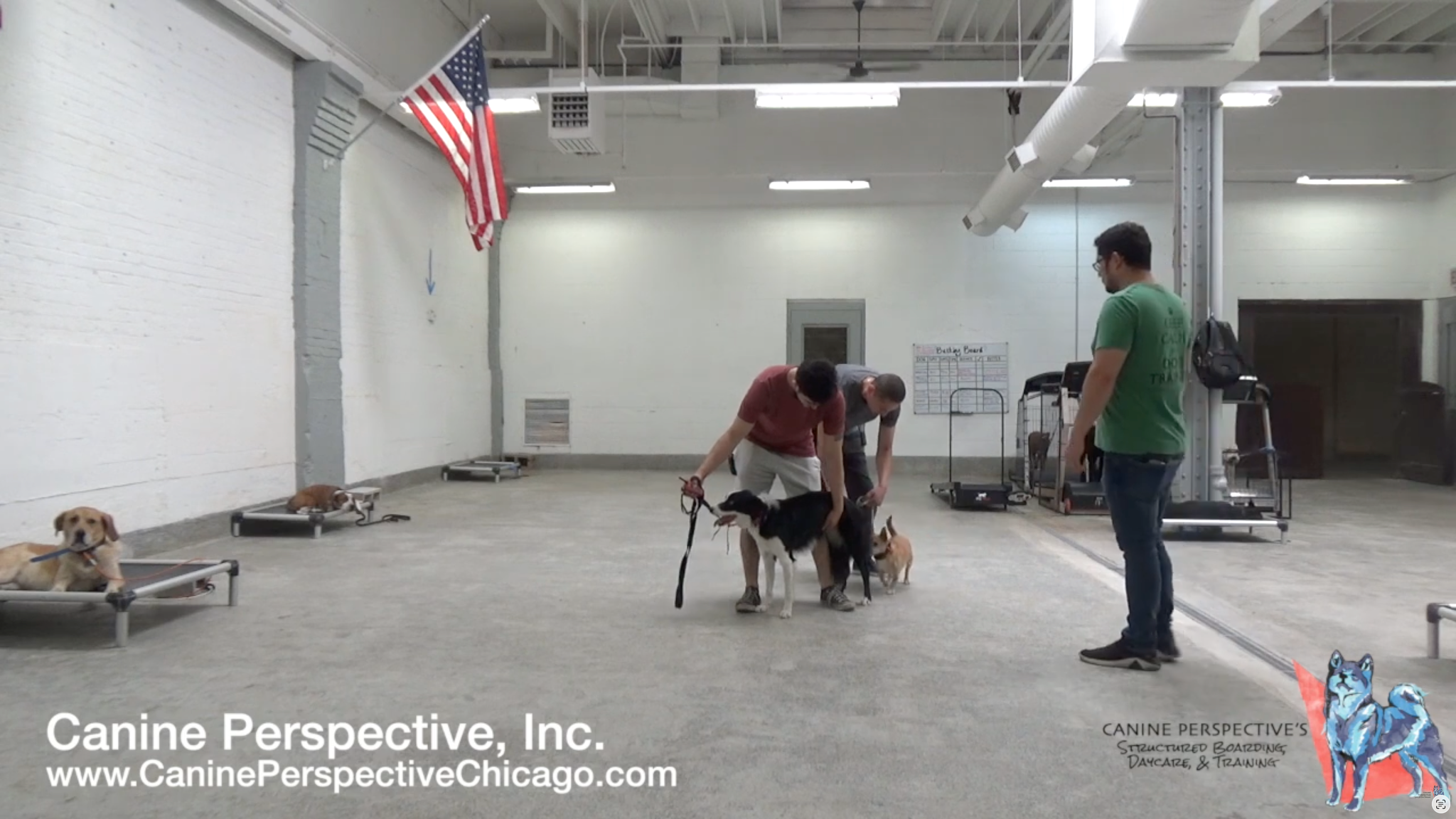
Rather than rushing the process, we gradually reduced the distance between the dogs while watching for subtle behavioral changes.
This type of controlled exposure helps identify each dog's threshold before a reaction occurs, allowing trainers to work just below the point where the dog loses emotional control.
Body language tells us far more than barking or lunging ever will.
During the session we observed:
Panting
Lip licking
Avoidance
Shaking
Body tension
Relaxation after pressure
Each of these behaviors provided valuable information about how the dogs were processing the exercise. Instead of reacting to every sign of stress, we used those signals to guide the next training step.
One of the most important lessons from this session is that dogs are allowed to feel uncomfortable.
Discomfort is not failure.
Reacting aggressively is.
Our goal isn't to eliminate stress entirely. It's to teach dogs healthier ways to process that stress while remaining under control.
As confidence grows through repetition, many dogs begin relaxing in situations that previously caused significant anxiety.
A common misconception is that corrections are used simply because a dog feels nervous.
That's not the case.
Feeling uncomfortable is perfectly normal.
Corrections are reserved for inappropriate behaviors such as attempting to bite, lunge, or aggressively escalate the situation—not for the emotional experience itself.
Teaching dogs that they can experience discomfort without resorting to aggression is one of the foundations of successful behavior modification.
Conclusion
Helping a reactive dog become more comfortable around other dogs isn't about forcing interaction or hoping they'll "get over it."
It requires structure, patience, careful observation, and a clear understanding of canine behavior.
By gradually increasing social pressure and allowing dogs to work through discomfort without rewarding reactive behavior, we can help them build confidence and develop healthier responses to the world around them.
Progress doesn't happen by avoiding challenges—it happens by introducing them at the right pace.